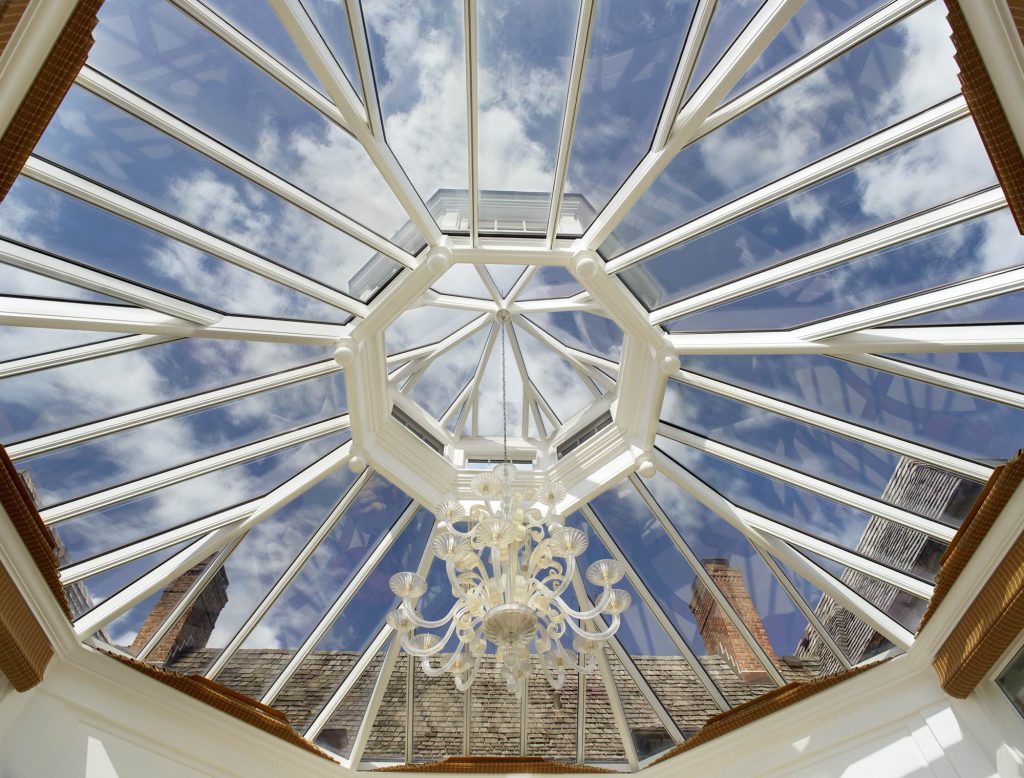
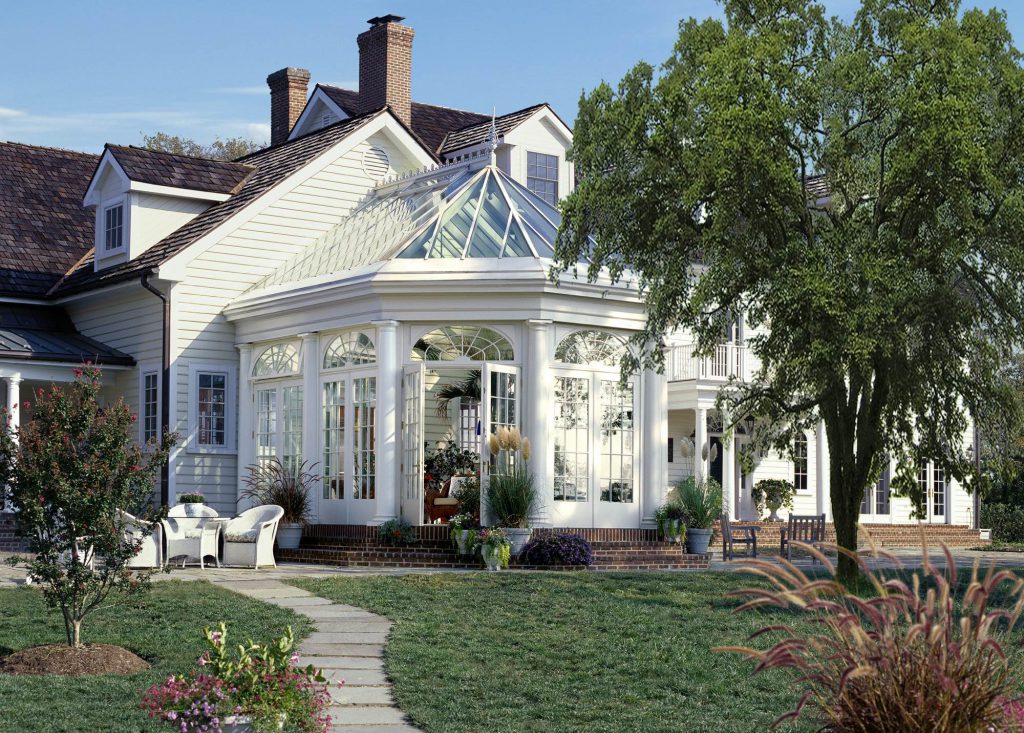
Conservatory Design - It's all about the details...
Welcome to Tanglewood Conservatories! For a peaceful stroll
through our intimate creations, step into our Conservatory
Gallery or view our Exquisite
Details and Features. Join us
for tea in dawn's
pink glow or a fine wine at sunset. Let the greenery of the
outdoor gardens wash away the day's stresses. Entertain family
and friends in the comforts of home, yet stunningly close
to nature.
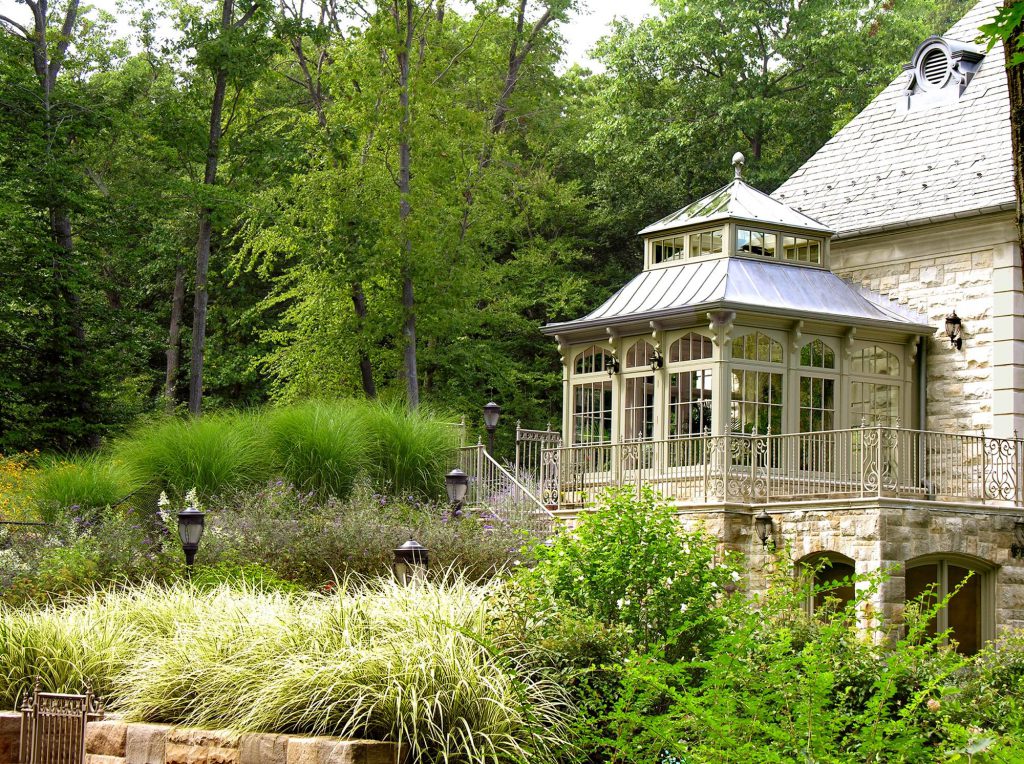
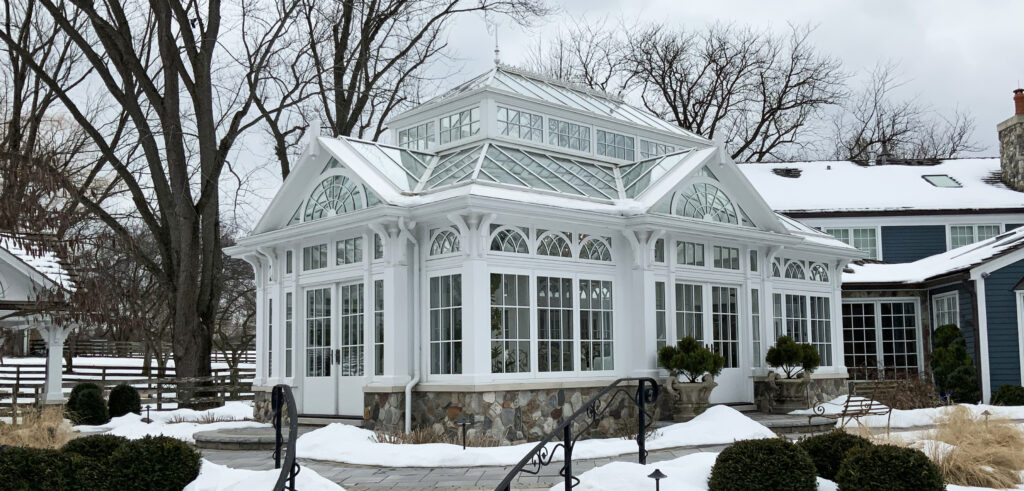
Glass conservatories have graced fine homes for centuries.
Tanglewood has embraced that heritage and adapted it for
American climates and architecture. The
Tanglewood Story is our journey
to merge today's
technology and fine art into the perfect glass house - hand-crafted
exclusively for you.
If we capture your imagination, examine Working
Together to learn about our
personalized and custom conservatory design process and the artisans
who can construct your dream conservatory.
Each custom conservatory project is different. We listen.
We learn about your lifestyle and passions. Many of the
best ideas come from our conversations together.
Tanglewood Conservatories embraces collaboration with Architects,
Designers and Builders. Our turnkey approach makes
your job easy. We take responsibility for the many details
of the conservatory - design development, structural engineering,
flashings and finishes. Our years of experience and obsession
with the details help you satisfy even your most demanding
clients.
Anything else is just another room!
To every room, a purpose - it has been said.
So, in a room made of glass, what purpose does one serve?
When asked the question, what most people do in their conservatory, Nancy Virts of
Tanglewood Conservatories replies, simply, "live".
"People move into their conservatory," she says "and it
quickly becomes their favorite space in the entire house." A room is practical. A
conservatory, however, is something more, something of an architectural stanza.
It is not simply a sunroom or greenhouse; it''s no longer the Victorian construct
intended mainly to harbor tender plants; it's not just an addition to a house-it is
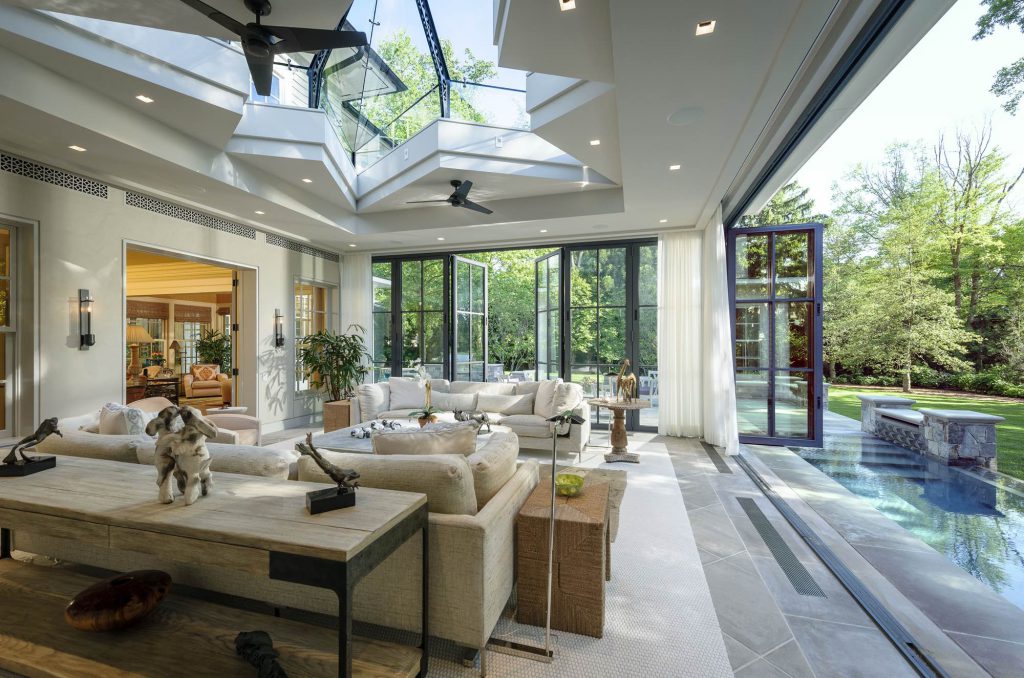
an extension of house and landscape, arising equally, somehow, from both.
A conservatory is a glass transition, a segue for segue's sake.
Built mostly from liquid (glass is considered a supercooled liquid rather than a solid),
a conservatory exhibits a readiness to flow, to change-to be alchemical and transmute space
rather than define or enclose it. If one enters a conservatory from the outside, the
feeling is of having come in. If one enters from the main house, the feeling is of having gone
outside.
Erected in and as transitional space, quixotic and
chamelionesque, the conservatory is a most contemporary structure, blurring the very lines it
punctuates. Simultaneously, there is scarcely a structure more traditional. Its ethereal
existence precisely on the cusp of the built and natural environments produces its acute
charms-and its challenges.
A conservatory offers seemingly simple elegance, but it is
neither a simple structure nor an add-on. It is a permanent extension of a home and
a major project in terms of scope and expense. As such, it requires careful planning
and expertise.
At the core of the successful project will most likely be a
highly skilled conservatory architect, one who specializes in glass architecture, one
who will work from the drawing board all the way through construction.
Although less costly options exist, the conservatory architect can bring the most
freedom and imagination to the project and can mean the difference between a structure
"adapted to" your home and one "designed for" your home. Whichever approach you decide
on, some initial research and familiarity with terms of the industry will go a long way.
However, the place to truly begin is with your desires. Your
existing house and lot (and budget) will be important factors in your decision-making,
but what you'll want to do in your conservatory-make a family room, a studio or office,
a dining place, a space filled with plants and flowers, or all of the above-will dominate
your thinking. These desires will influence size, shape, choice of materials, and, very
likely, the nature of the dwelling you inevitably do in your new dwelling.
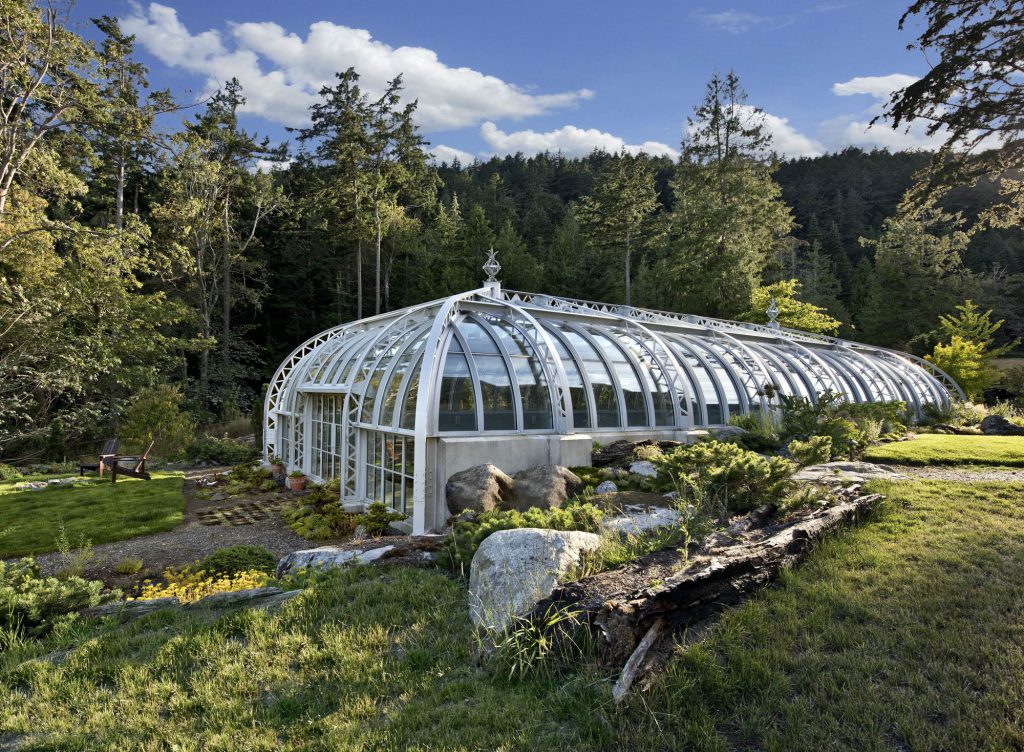
There are various styles of conservatories from which to choose.
Many companies work from a basic set of designs, then adapt and customize for specific sites
and desires. The main styles often vary from company to company; one company's "Georgian"
is another company's "Edwardian." It can be quite confusing. If you work with a skilled
conservatory architect, you can create your own design from scratch, and name it whatever
you like.
The classic conservatory design features hardwood framing with
glass panels for roof and sidewalls. There are numerous hardwood options, but mahogany
is the industry choice. Although it is the most expensive of the framing options, it
offers design flexibility, provides a better fitting, heavier room, requires minimal
maintenance (treatment with paint or stain every 5-7 years), and has a lifespan of
approximately 100 years. These are important considerations, but the main reason most people
decide on mahogany is because it is the most beautiful.
You'll also need to choose the glass. The type of glass you
choose will go a long way in determining the usability of your conservatory. The ideal
conservatory is year-round, and the glass you choose can help keep your conservatory
warm in the winter and cool in the summer. Preferred materials will vary from company to
company, but a few terms you will likely hear in relation to glass are Low E, argon filled,
and polycarbonate. Low emissivity (Low E) glass has a microscopic metal coating which
allows sunlight to come through from the outside and reflects heat back from the inside.
The effect is insulating, allowing in sun and reflecting heat from a heat source back into
the conservatory. Argon-filled glass consists of two pieces of glass sealed together with
argon gas between them. The argon has much higher insulating values than air and functions,
in essence, like conventional fiberglass insulation-except it is invisible. Argon-filled
glass is often used in tandem with Low E coating.
Remember, a conservatory is a permanent structure. Your
conservatory should be built to last by a company with know-how, experience, and a true
passion for building conservatories.
Be sure the company you choose is willing to listen to your
ideas and incorporate them into any design suggestions. In addition, choose a company
that will work on a site-specific basis. Although your conservatory will, technically,
be added onto your house, you don't want it to look like an add-on. The ideal conservatory
is an integration of house, landscape, and inhabitants. The ideal conservatory company
understands this and will begin its relationship with you by visiting your house, talking
with you, and getting a feel for what the site and the inhabitants ask of a conservatory.
Find a company that knows what they are doing. Find a company that
loves what they do. Chances are you will also love what they do.
Most rooms in a home allow you to build a dream version of them
(i.e., dream kitchen, dream bedroom, dream bath); the conservatory allows you the
architectural equivalent of a dream. It offers a place to dream, to dwell, to live. If
you were in your conservatory right now, what might you be doing? I'd have a cup of tea
in one hand, a book in the other-hoping for rain. Have you ever been in a conservatory
during a storm? Imagine it: the rain falls on you without hitting you; you get the sense
of getting wet without getting wet. You grab that book and that cup of tea; you call your
dog up on the couch. You are outside in and inside out. You're relaxing, but that's
too easy, too unphilosophical. You're existing. You're dwelling. You're reading,
perhaps, from Peter Carey's Oscar & Lucinda, these lines: "...[Glass] is invisible, solid,
in short, a joyous and paradoxical thing, as good a material as any to build a life from."
written by kevin varrone
|