— Tanglewood —
portfolio
MENU
Conservatories & Orangeries

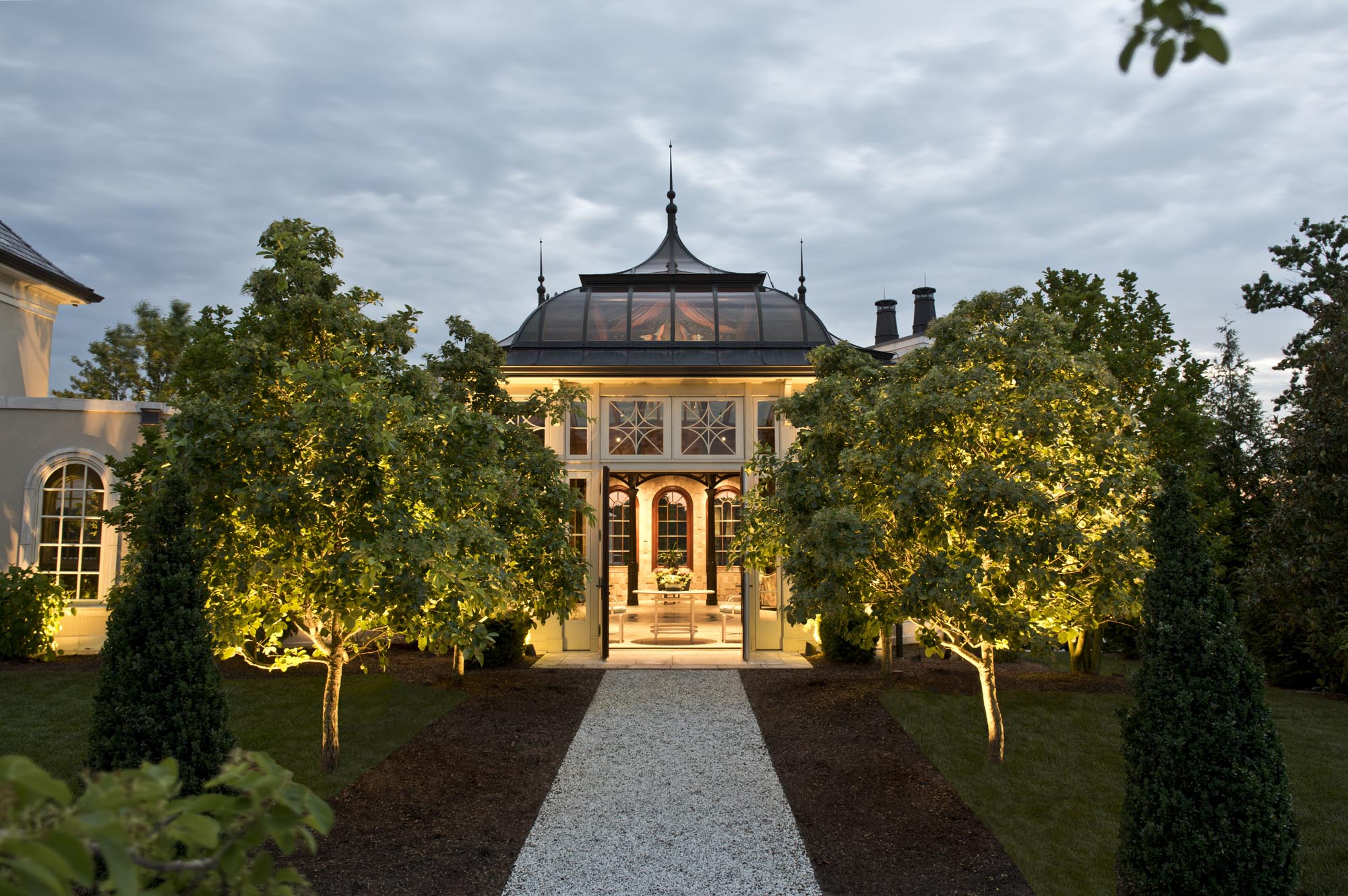
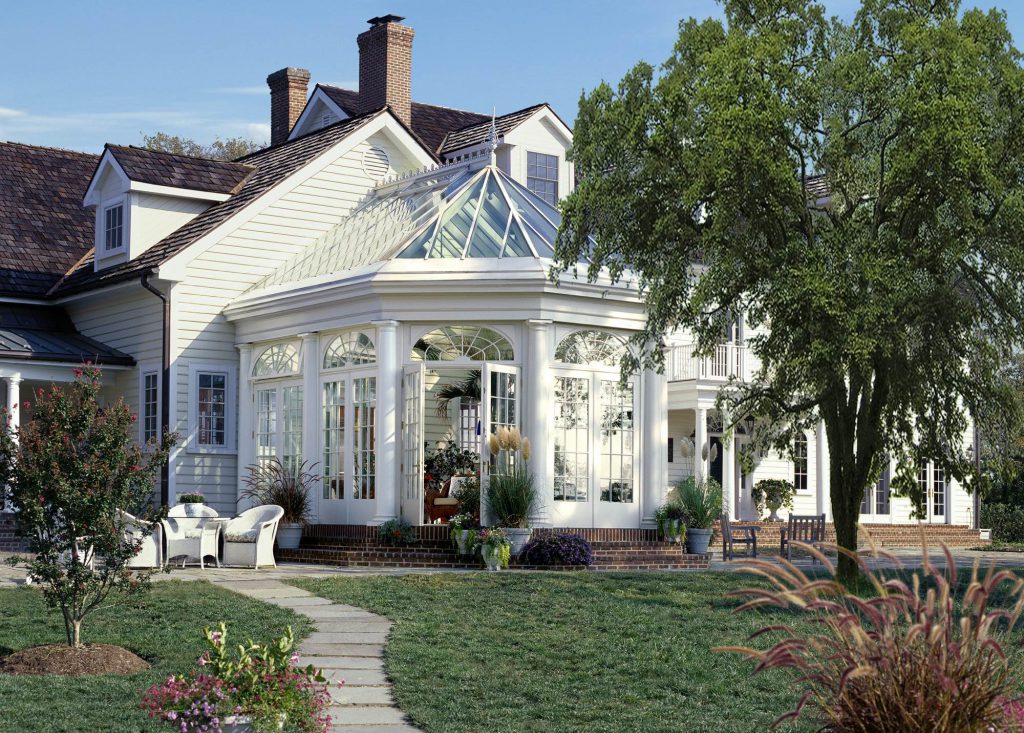
WE BELIEVE that a beautiful custom conservatory begins with you, your life, and your vision. However you will use your conservatory, whatever the style that best reflects your home, whatever the materials you choose, it will be a room like no other! Start with the light, for light is at the heart of a fine conservatory. What do you love about your home? What would you like to add to it? Whether classical, modern, or eclectic, whether made of exotic hardwood or custom designed with steel, cast iron, bronze—or an artful combination—your Tanglewood conservatory will express your home, your dreams, and your life. Tanglewood creates one-of-a-kind conservatories. With our decades of experience, you can rest assured that the design, details, and features of your room will be custom-made, just for you, and unique to you alone.
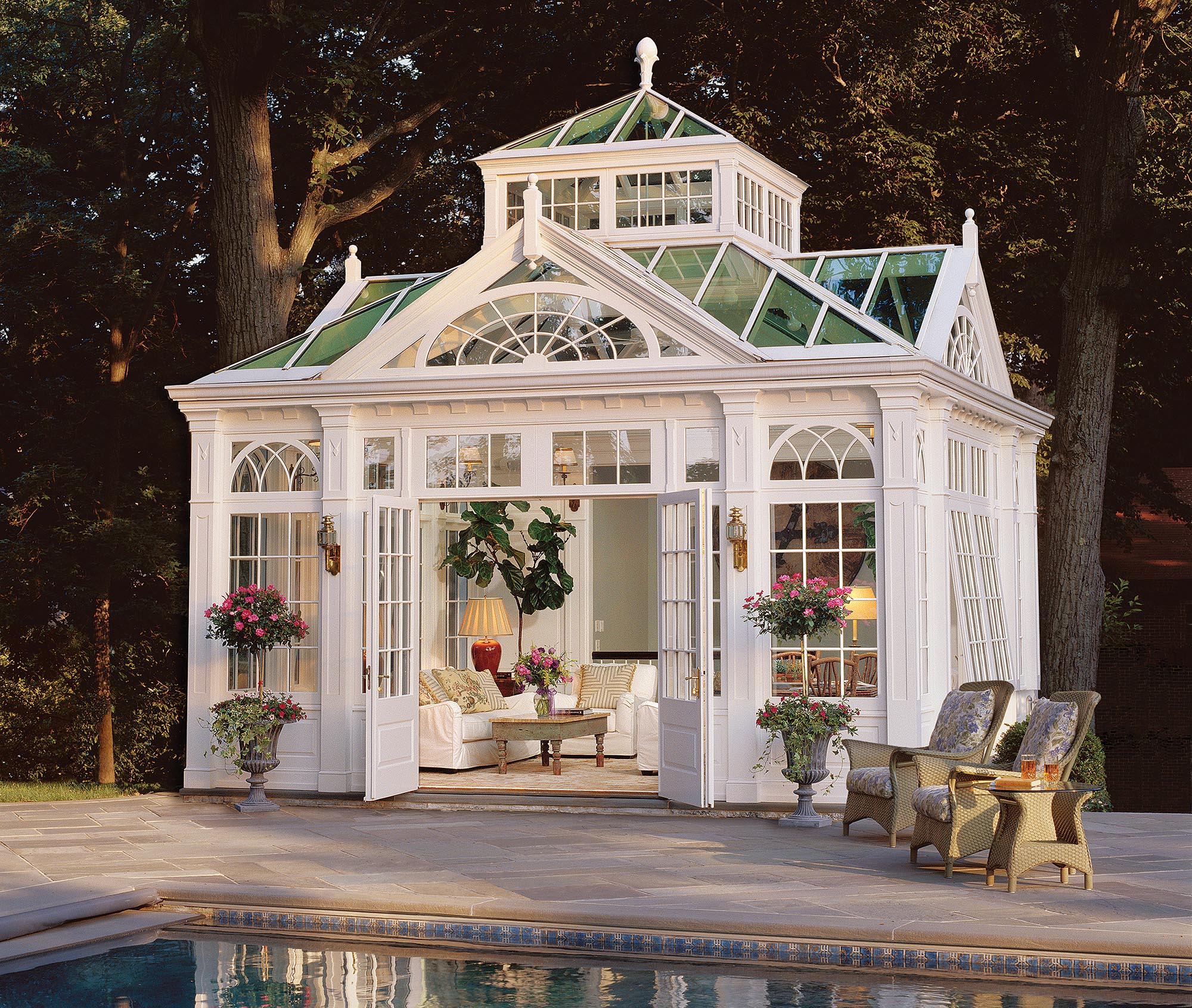
— 1 — Pool House Conservatory Retreat
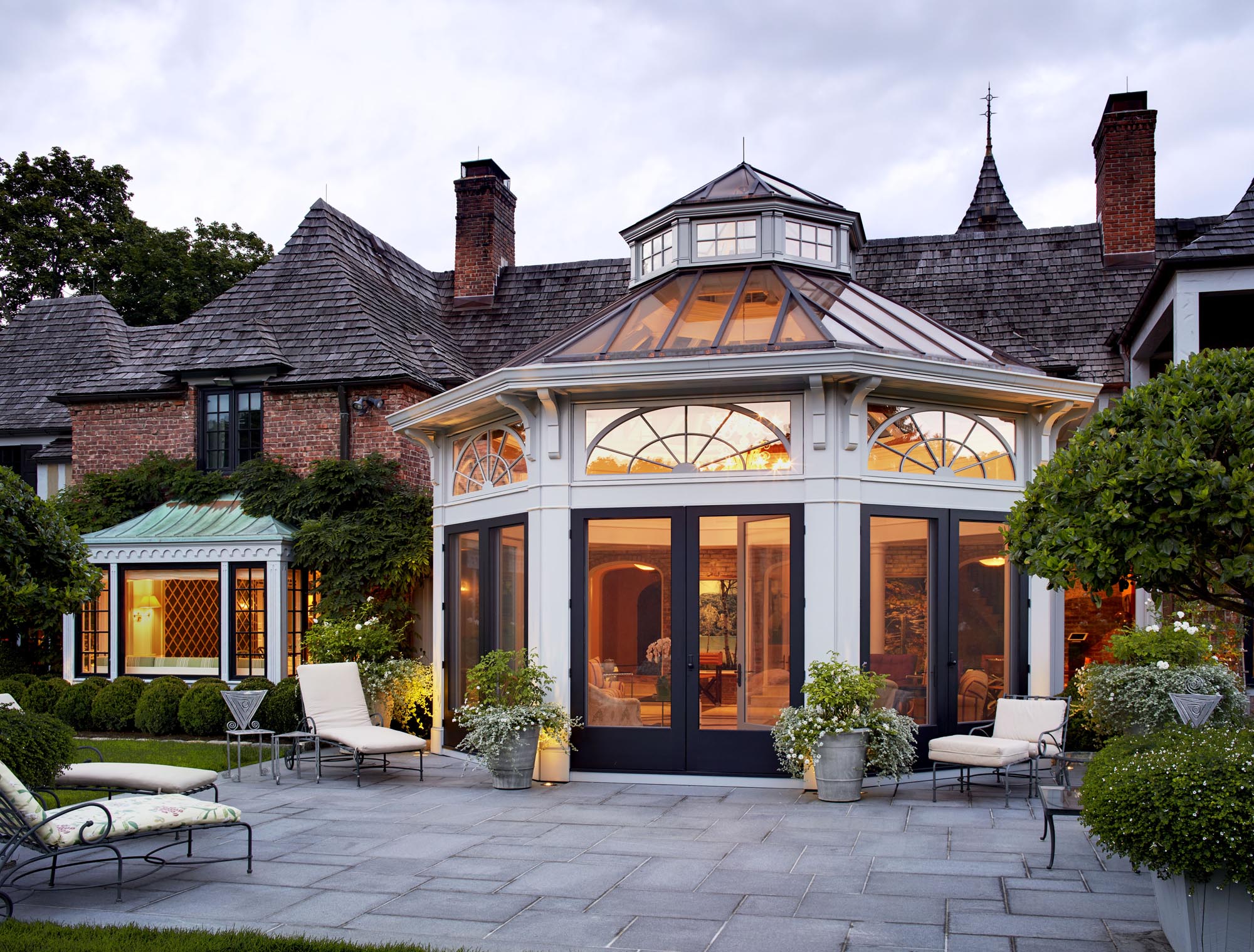
— 2 — Glass Gallery Conservatory
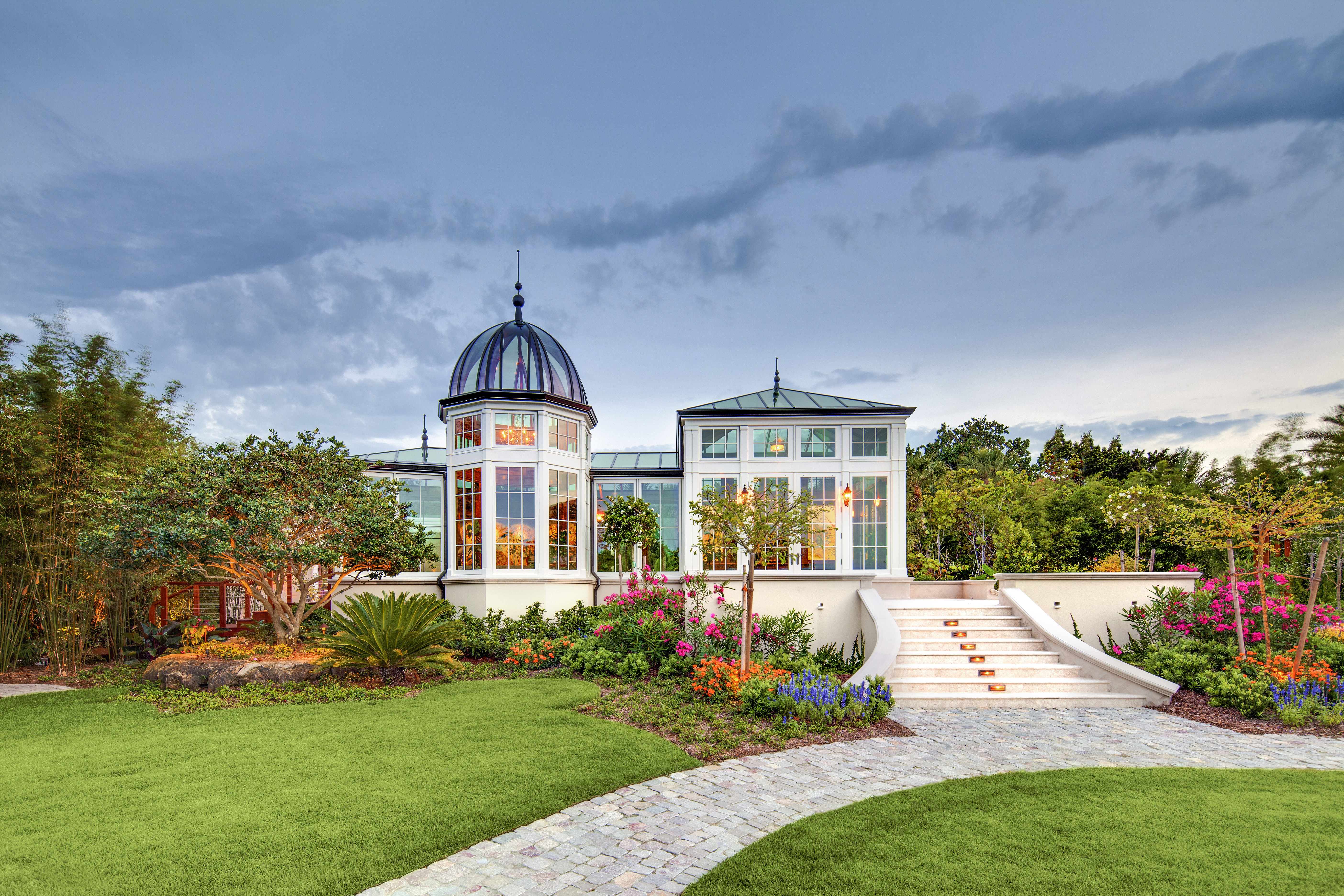
— 3 — Award-Winning Conservatory Greenhouse
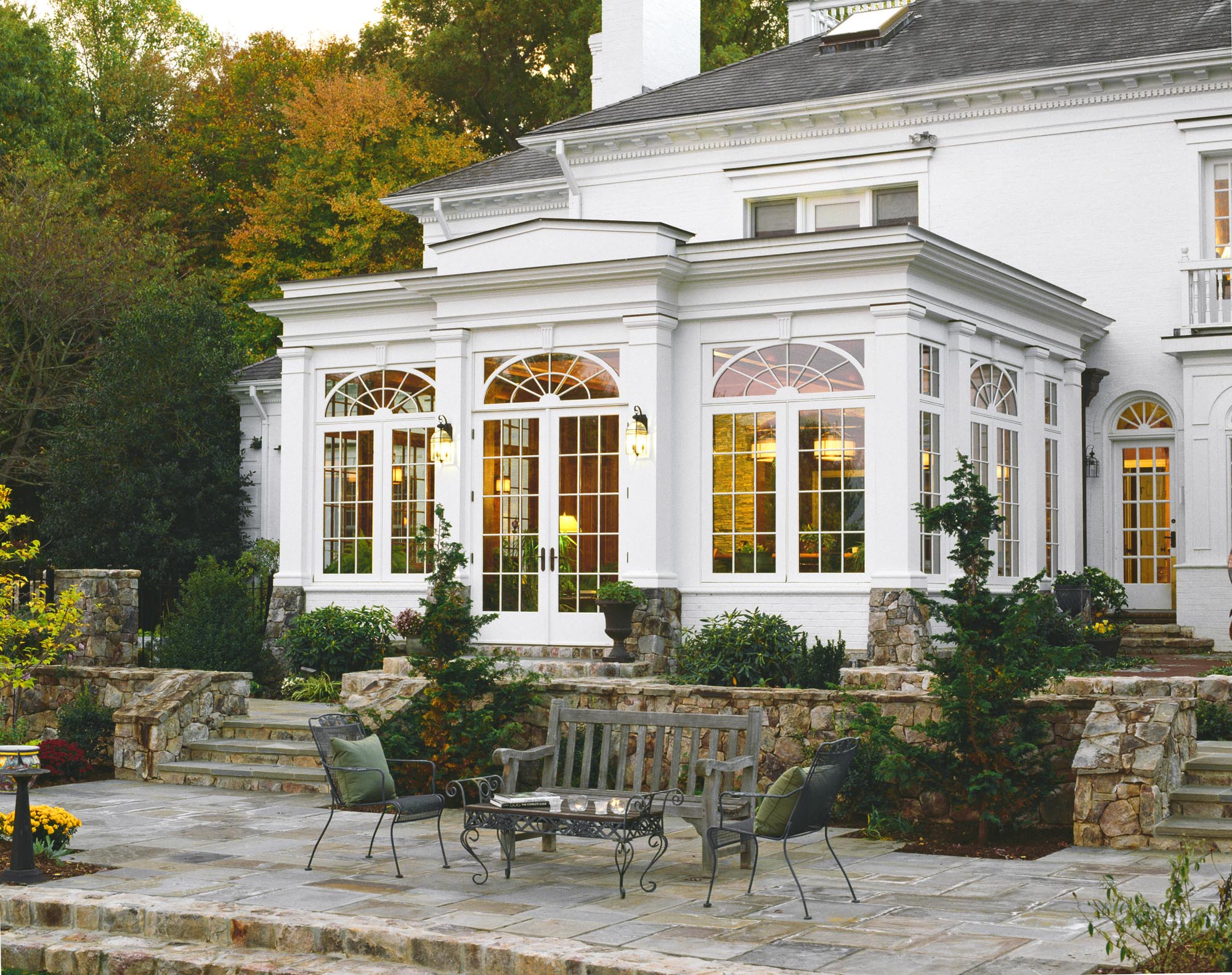
— 4 — Custom Orangery
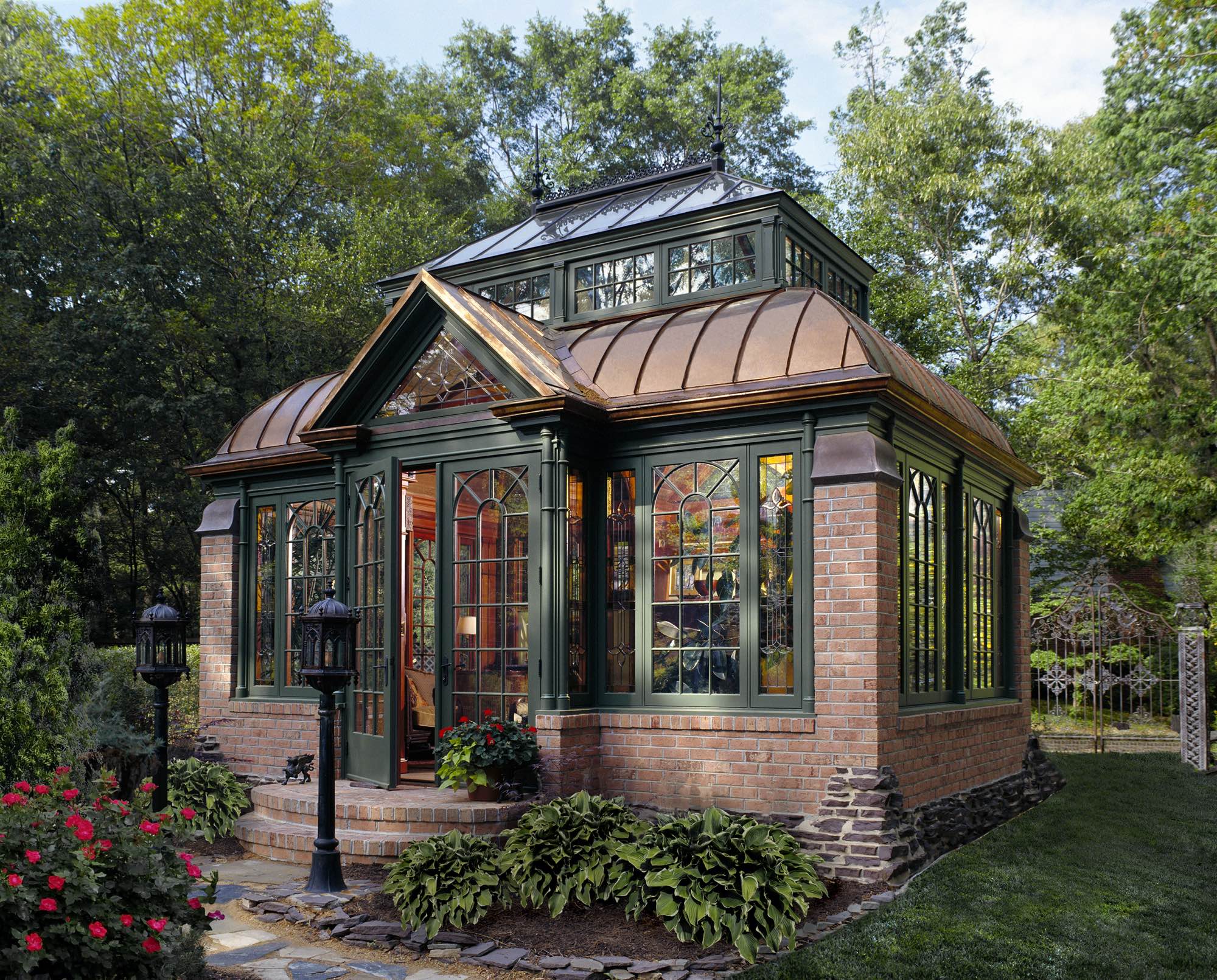
— 5 — Brick & Stone Conservatory
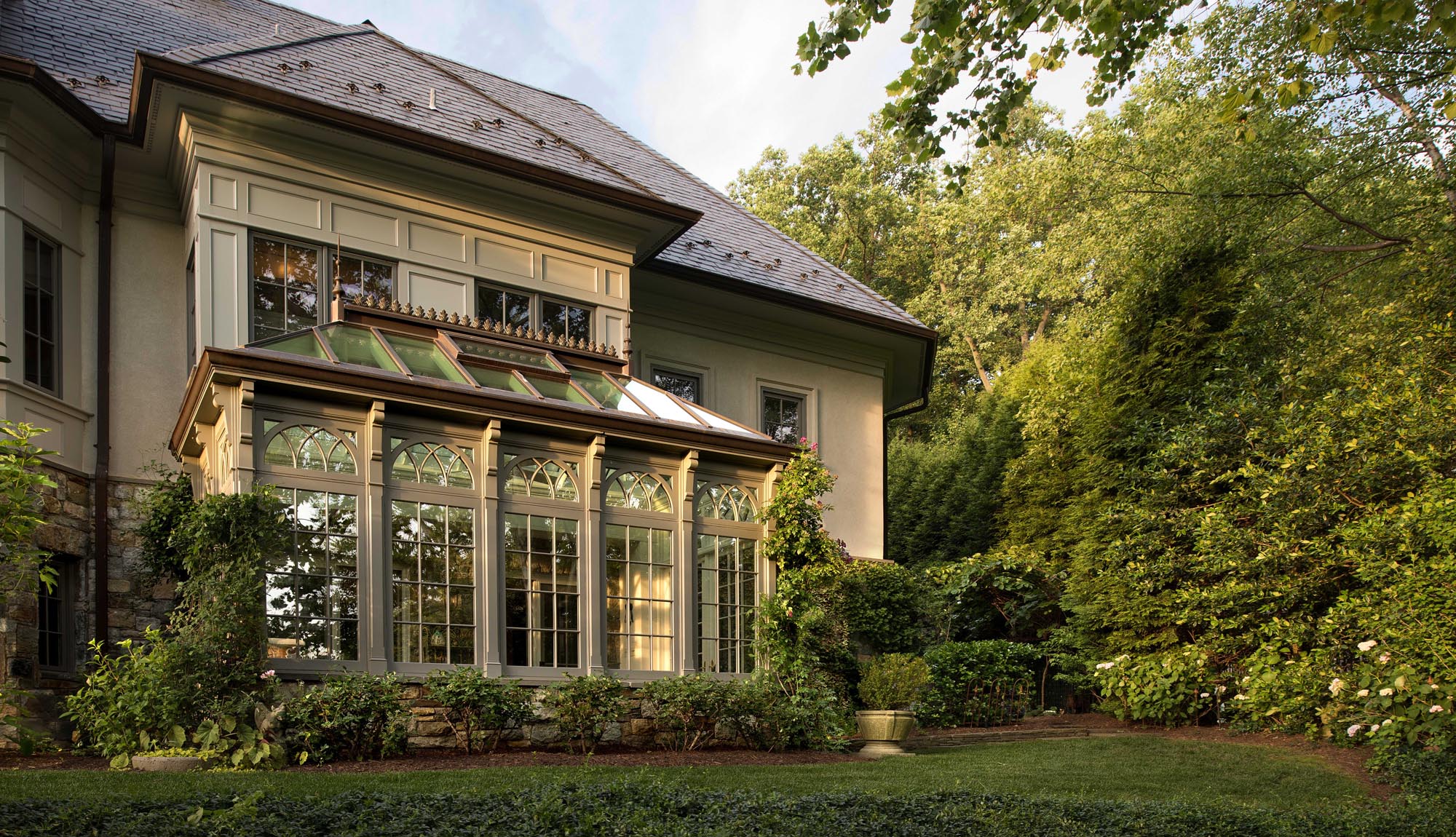
— 6 — Small Greenhouse Conservatory
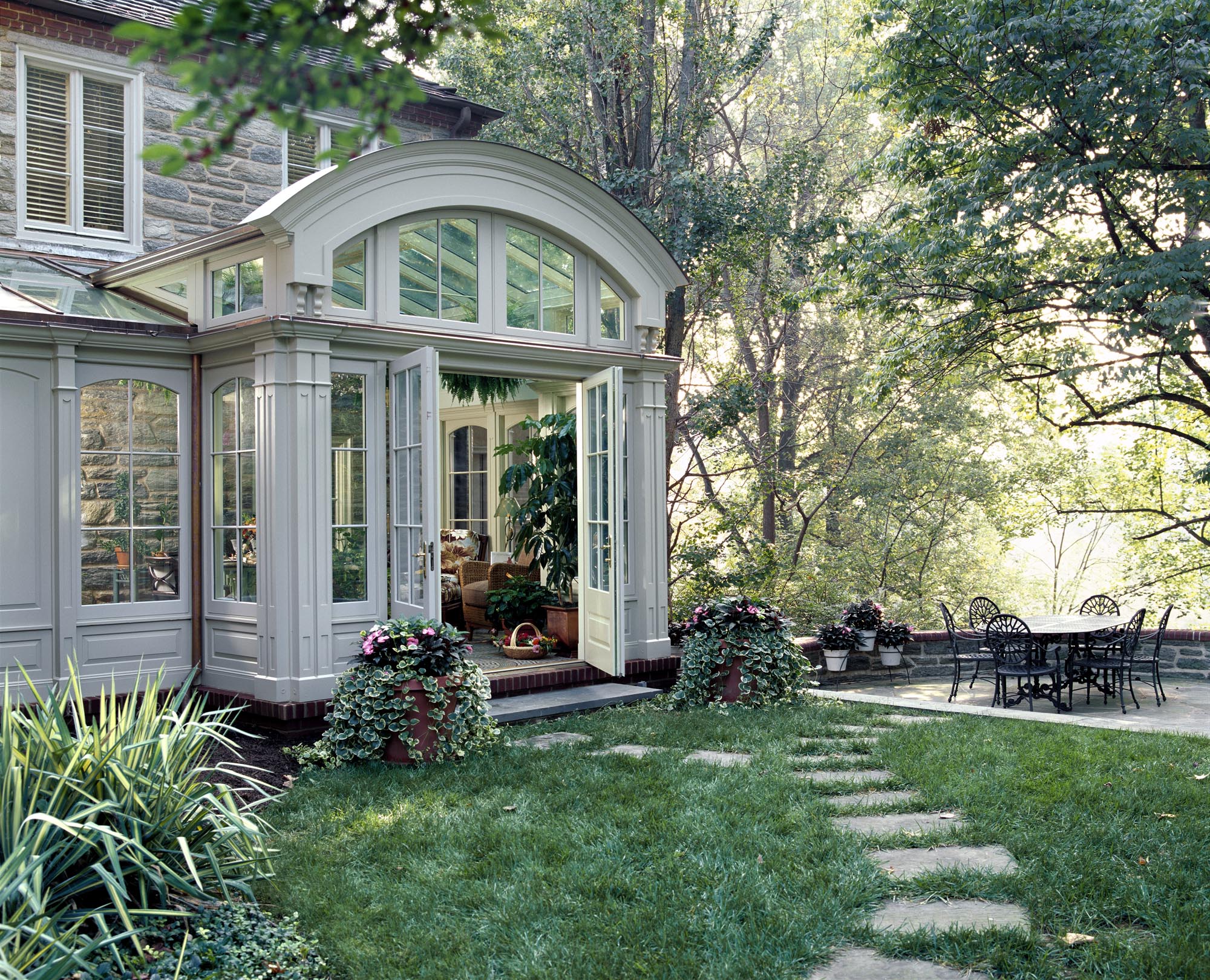
— 7 — Custom Stone House Conservatory
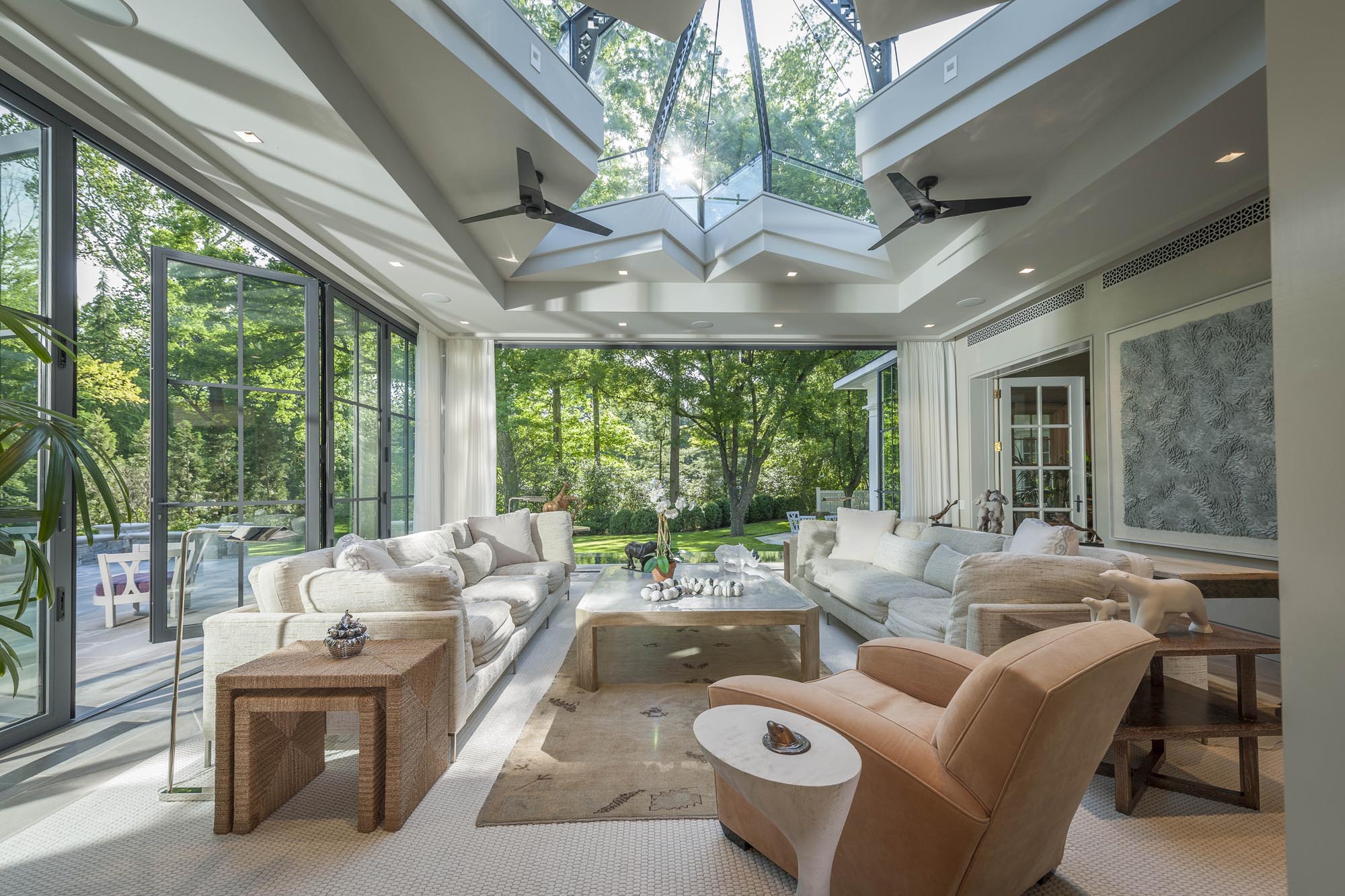
— 8 — Modern Steel Orangery
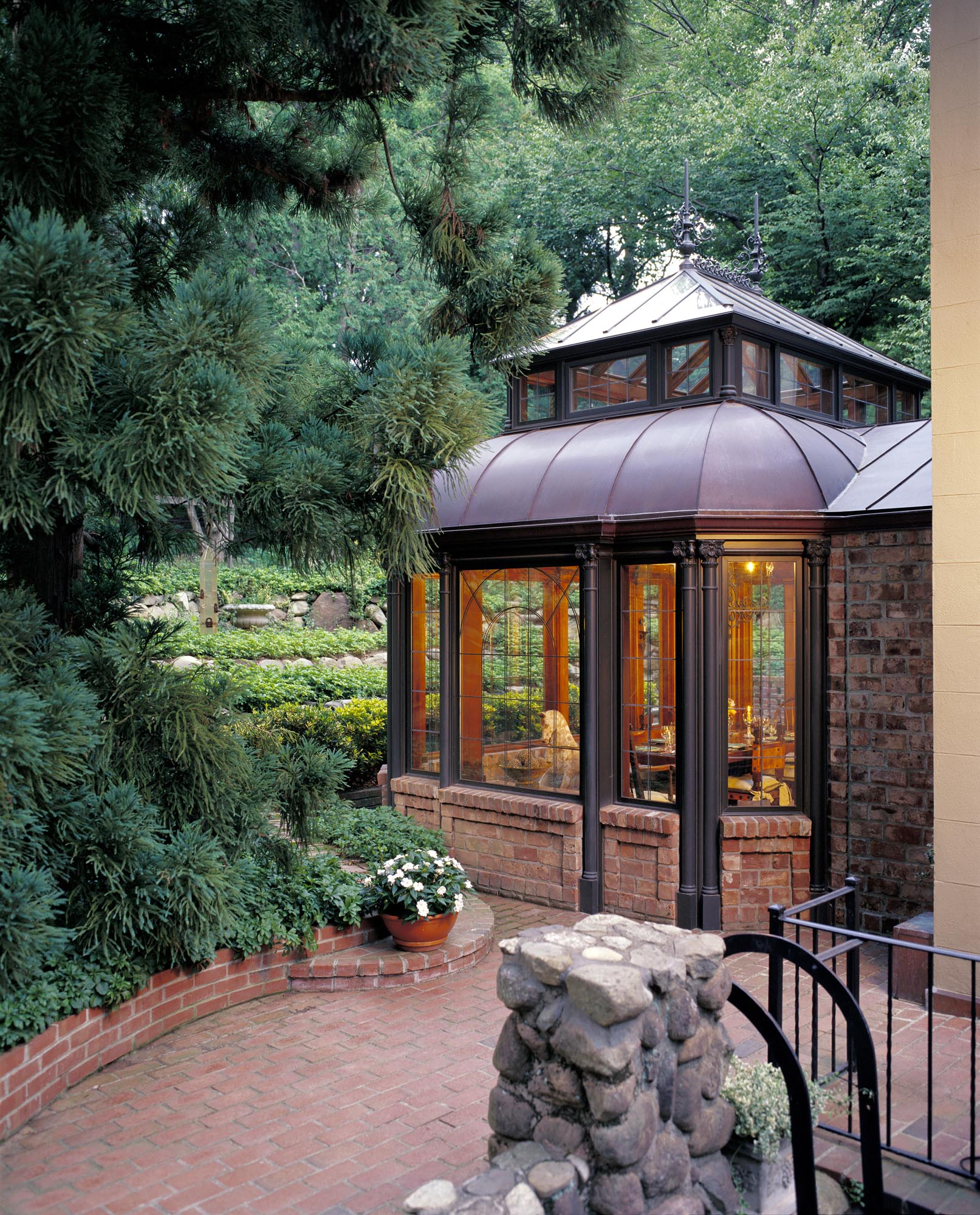
— 9 — Curved Copper Conservatory
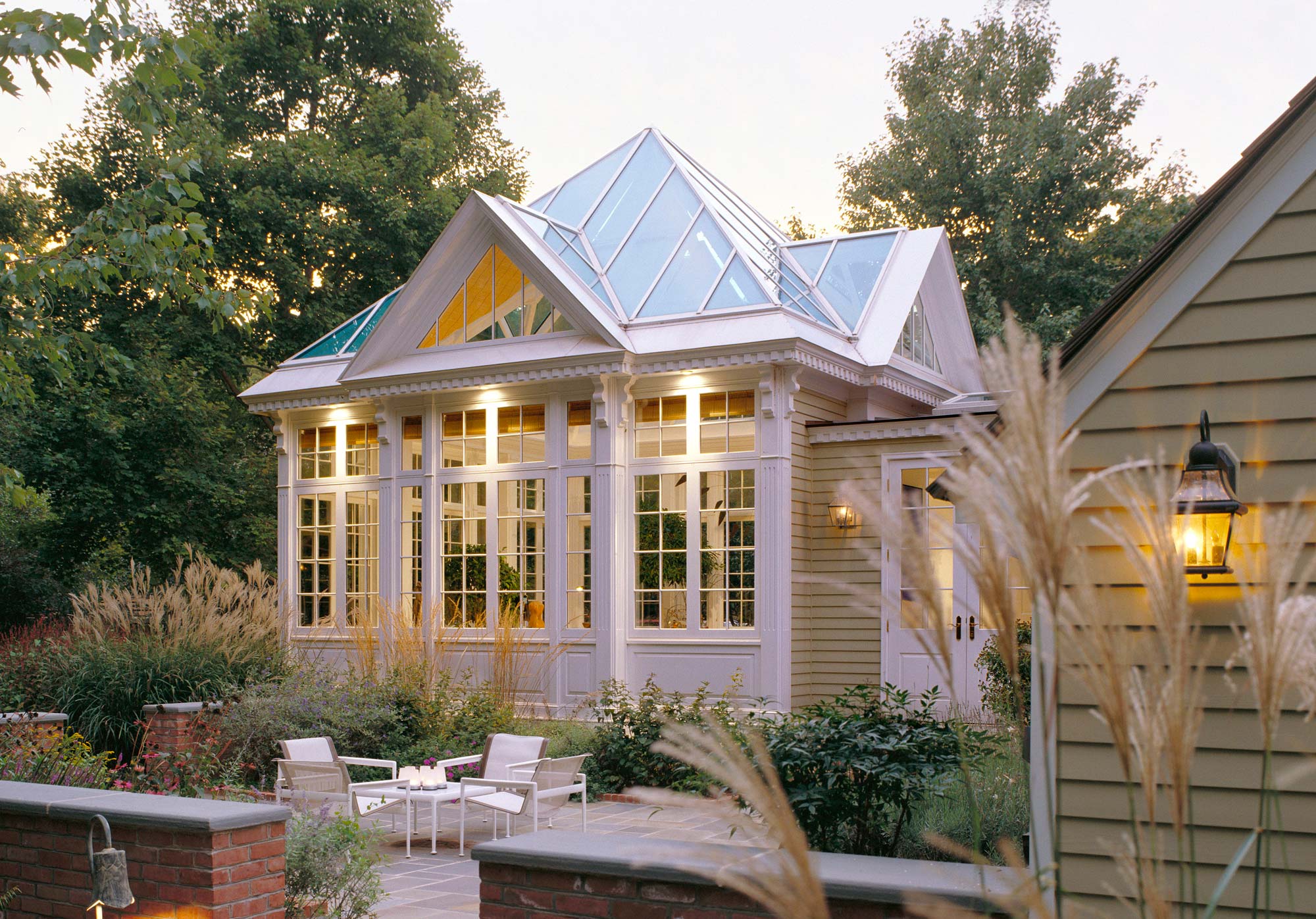
— 10 — Executive Modern Conservatory
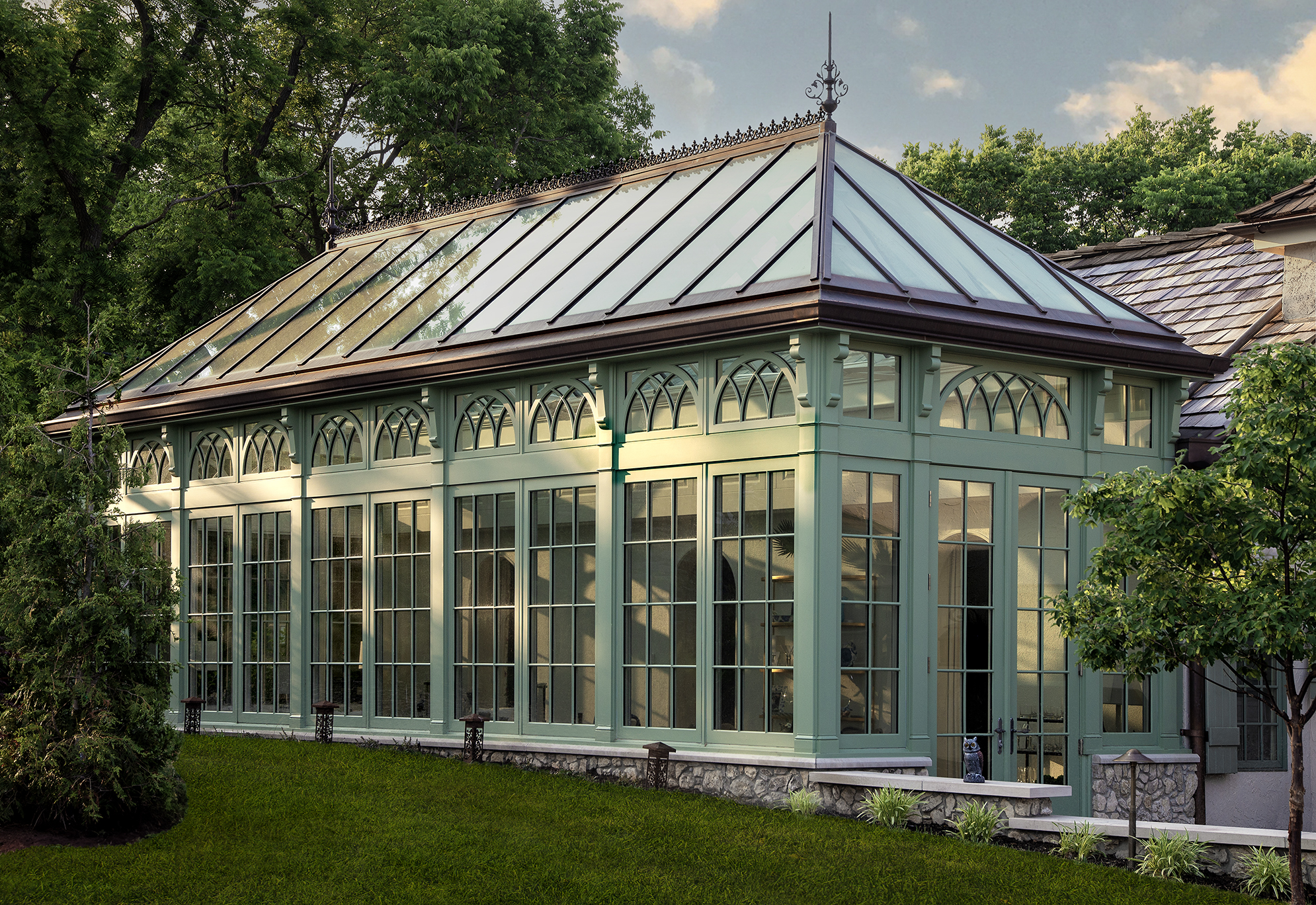
— 11 — The Garden Conservatory
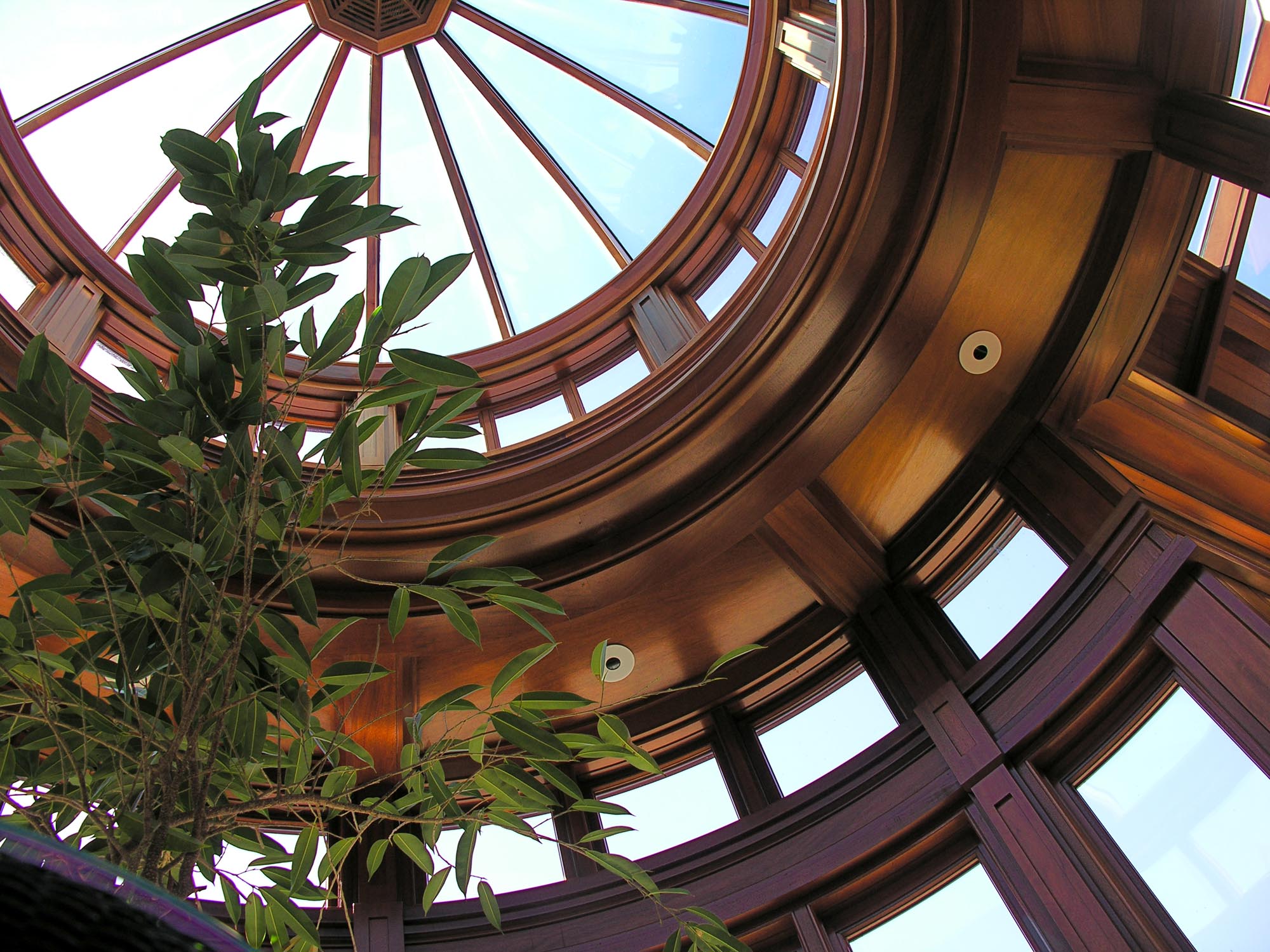
— 12 — Glass Dome Conservatory
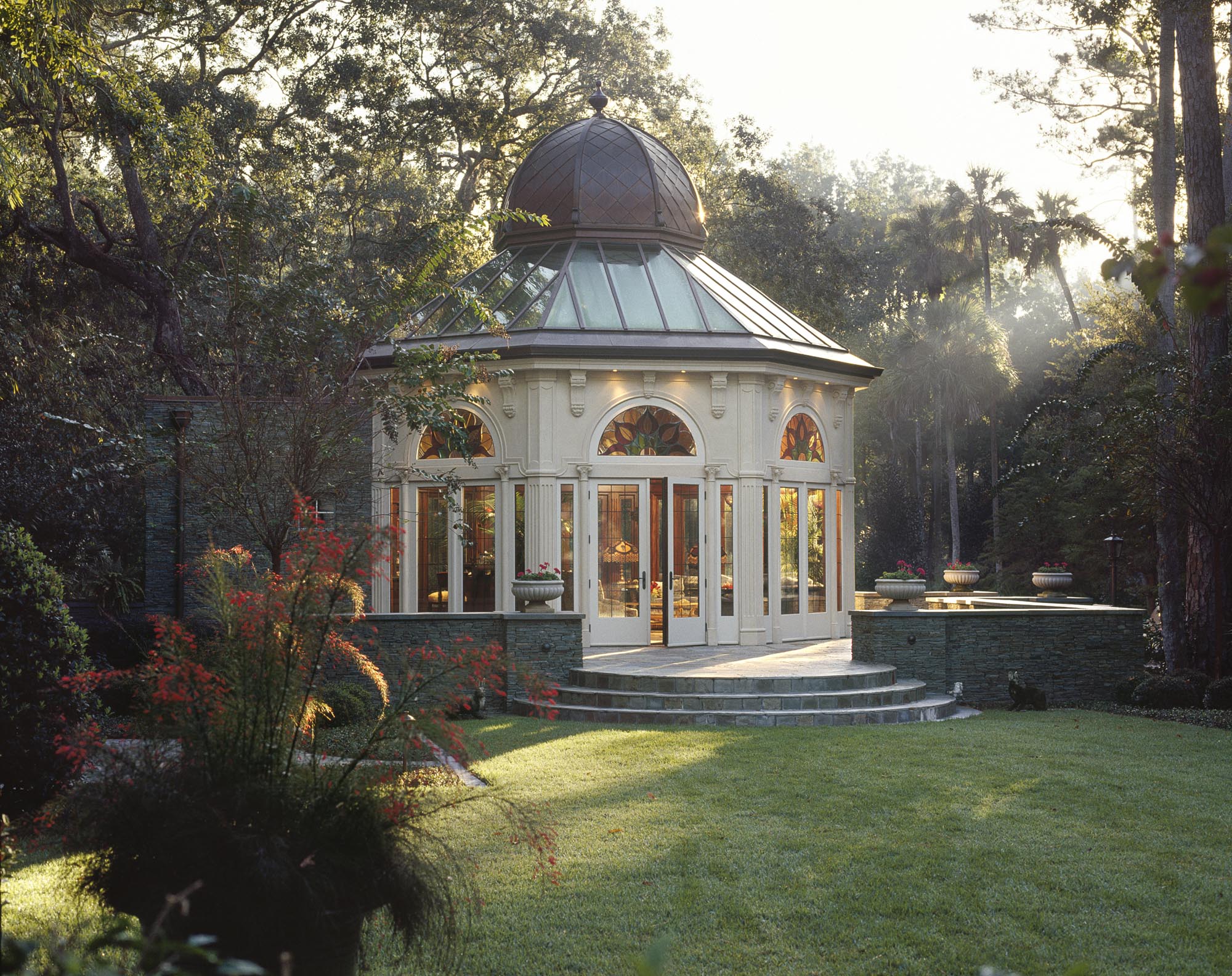
— 13 — Cast Stone & Copper Conservatory
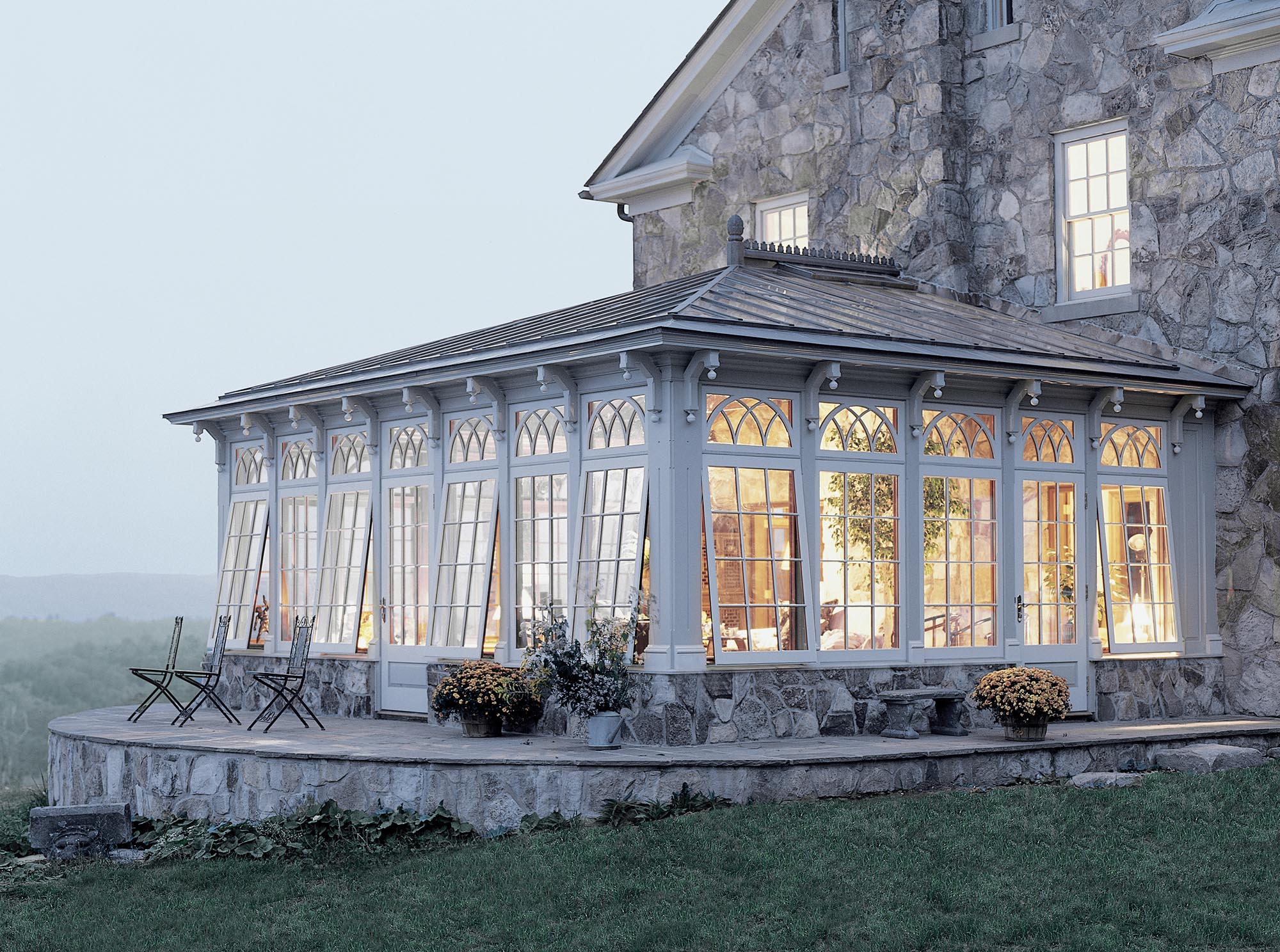
— 14 — Custom Hilltop Stone Conservatory
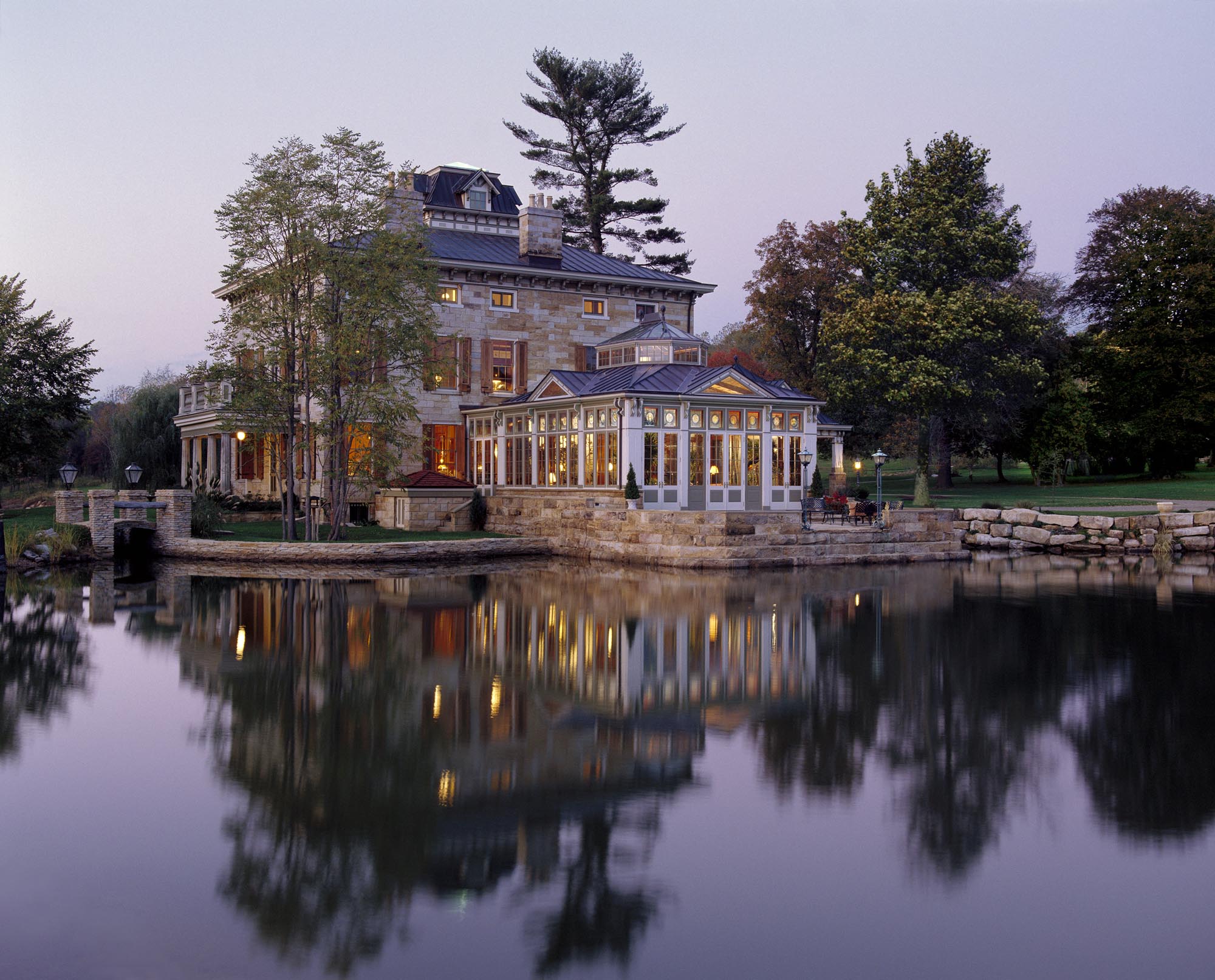
— 15 — Riverfront Conservatory
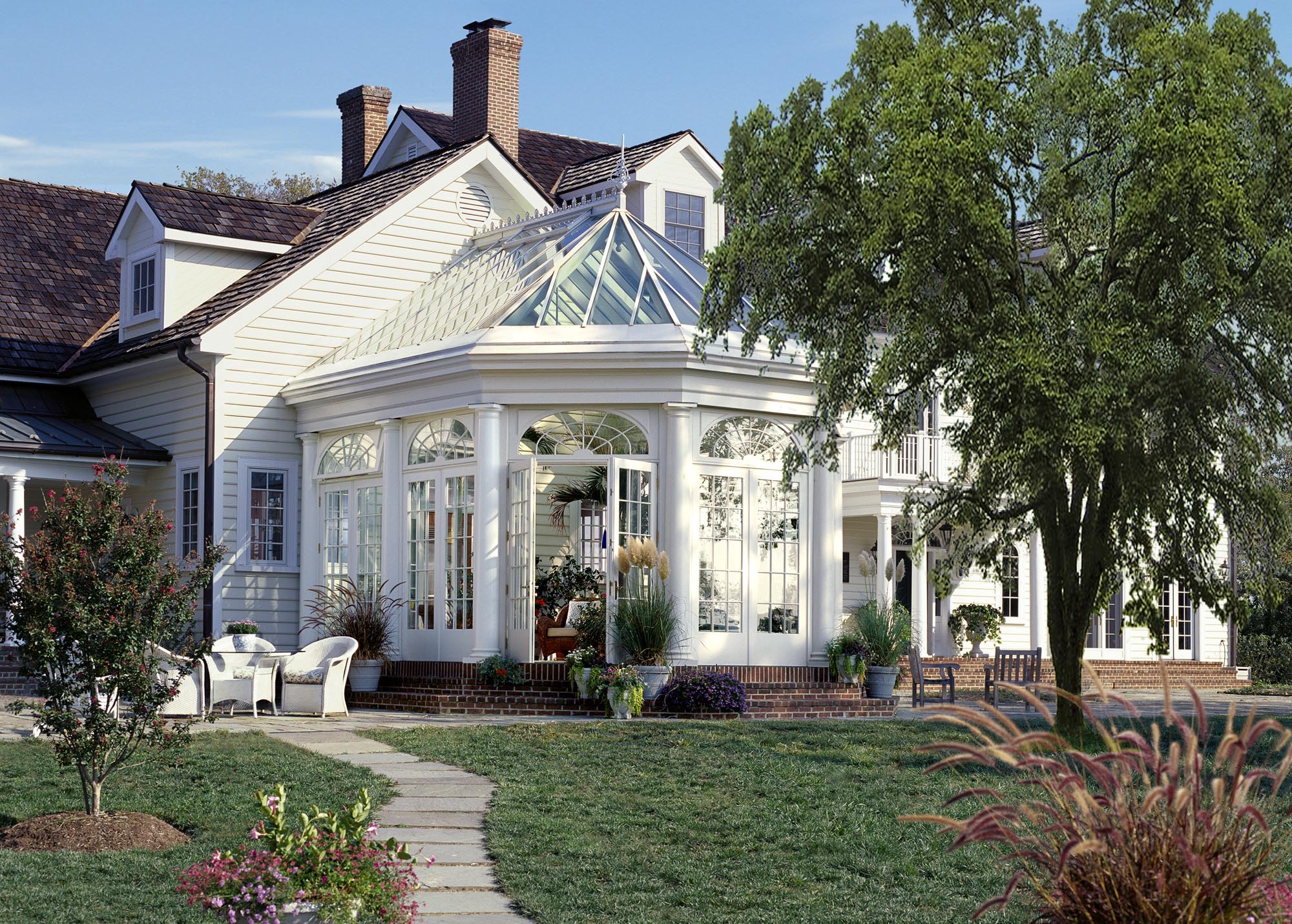
— 16 — Tea Room Conservatory